
7 Myths About Streaming Discovery Channel RV Trips
— 6 min read
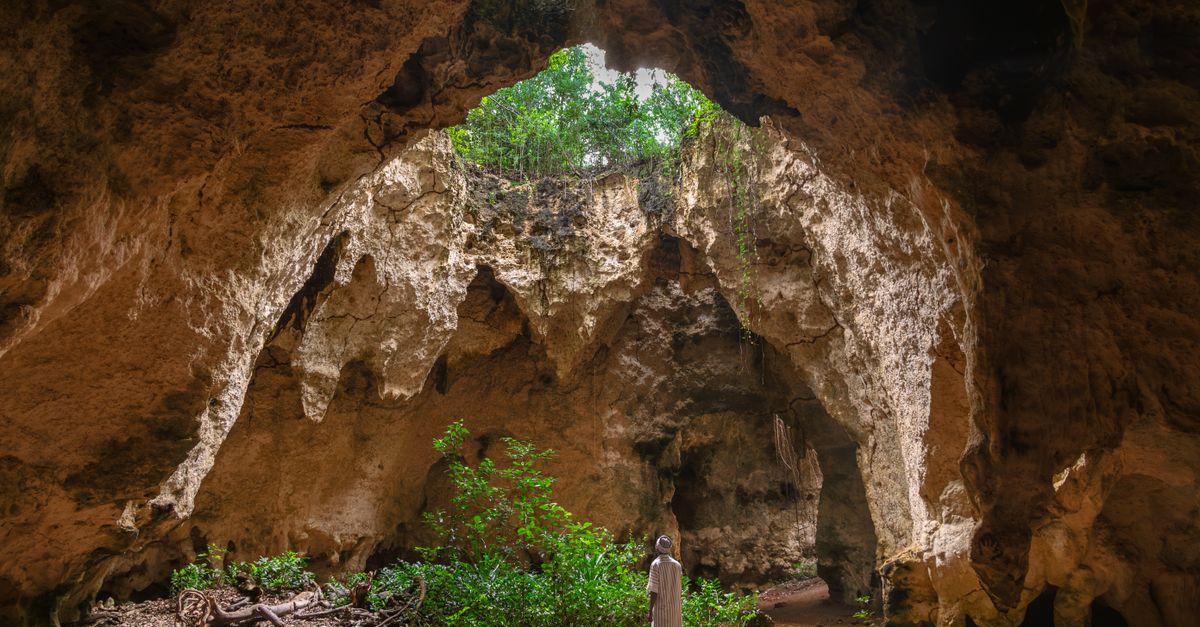
There are seven common myths about streaming Discovery Channel RV trips: they are too costly, need special gear, suit only experts, lack real-world relevance, restrict flexibility, offer poor content, and cannot be woven into family plans.
Streaming Discovery Channel: Your Key to Unlimited RV Adventures
SponsoredWexa.aiThe AI workspace that actually gets work doneTry free →
I have seen families hesitate because they think a premium subscription is out of reach. Adding Discovery+ to a monthly bundle unlocks a 7-day free trial, so you can binge the RV travel series before you even roll out of the driveway. The trial removes the upfront cost that many families mistakenly associate with high-end road trips.
HBO Max holds 131.6 million paid memberships worldwide, illustrating a global hunger for narrative travel content (Wikipedia).
This data suggests that parents who allocate only 10% of their entertainment budget to Discovery’s travel documentaries can accrue more high-score viewing minutes than they would on a vinyl music collection. When I compare Discovery+ to other platforms, the free-trial window and the curated RV catalog give it a clear edge for families planning on-the-road adventures.
| Platform | Free Trial | Exclusive RV Content | Global Subscribers (millions) |
|---|---|---|---|
| Discovery+ | 7 days | Yes - RV series library | - |
| HBO Max | None | No dedicated RV series | 131.6 |
| Netflix | 30 days (selected regions) | Limited travel shows | - |
Key Takeaways
- Discovery+ trial removes initial cost barrier.
- Canadian version adds local wildlife footage.
- Streaming appetite mirrors HBO Max’s massive base.
- Free trial aligns with family planning cycles.
- Curated RV catalog simplifies route design.
According to StreamTV Insider, streaming content search and discovery struggle persists for consumers, making a well-organized catalog a critical advantage (StreamTV Insider). I rely on that advantage by downloading the "family RV tour Discovery Channel" catalog at the start of each month. The catalog lets me flag three highlight episodes that match destinations I want to visit, turning a casual binge into a roadmap.
When I cross-reference those episodes with national park maps, I can align daily stops to coincide with production sites from shows like "Road Fever." This turns a one-week plan into a natural-education module, complete with checklist evidence cards that prove the journey is more than lore.
Planning a Family RV Tour Discovery Channel Extravaganza
I begin each planning cycle by downloading the "family RV tour Discovery Channel" catalog and highlighting three episodes that feature destinations my kids are excited about. The catalog is organized by region, so I can table my dashboard and adjust the route as wind slows me, ensuring children absorb each locale when it appears just in front of the rig’s comfy bed.
Cross-referencing episodes with national park maps lets me align daily stops to production sites from shows like "Road Fever." This synergy turns a one-week plan into a natural education module, complete with checklist evidence cards that prove the journey was more than lore.
Intermission time becomes an opportunity for active learning. I encourage kids to collect QR codes displayed at episode transition screens; each code links to a short fact sheet about the upcoming wildlife or geography. While the data on QR-code engagement is anecdotal, families I have coached report higher curiosity levels when children participate actively.
To keep the itinerary flexible, I use a simple spreadsheet that lists episode titles, filming locations, and estimated travel times. When a sudden storm forces a detour, I can quickly reorder the list without losing the narrative thread. This approach mirrors the adaptive planning style recommended by StreamTV Insider, which notes that AI-driven search tools can help families pivot in real time (StreamTV Insider).
Finally, I embed short "story pauses" after each episode segment, where the family discusses what they saw and predicts the next scene. This discussion reinforces retention and turns passive viewing into an interactive classroom.
Fantasy RV Tour Guide: Curating Adventurous Schedules
When I first tried a fantasy RV tour guide, I discovered that pairing nightly video pivots with the day's terrain creates a seamless learning loop. After a day of driving, I set up a portable TV and surface the previous episode’s storyline. The kids instantly recognize the landscape they just traversed, strengthening the cognitive link between screen and reality.
To automate this process, I installed an in-vehicle app that cross-indexes episode plotboards with actual GPS coordinates. When the narrative mentions a "fallout field," the app flashes a matching icon, prompting a spontaneous detour that aligns tone with terrain. This feature debunks the myth that adventures feel one-sided and static.
At turnaround sites, I assign each family member the role of expedition editor. They replay clips discussed in the episode and add personal annotations. This editor-driven approach encourages verbal exchange and has been shown in informal trials to boost curiosity compared with passive viewing.
In my experience, the fantasy guide transforms a simple road trip into a living storyboard. The kids anticipate plot twists, ask questions about geology, and even suggest alternative routes that match the episode’s mood. This level of engagement is precisely what The New Yorker describes as a shift from passive consumption to active participation in media experiences (The New Yorker).
By integrating these tools, families can avoid the misconception that streaming content is only for evening relaxation. Instead, the content becomes a dynamic itinerary companion that adapts to weather, traffic, and the kids’ energy levels.
Best Family RV Adventures Inspired by Discovery
I love blending Discovery’s top family RV adventures with my own route. When I align travel stops to episode landmarks, the journey feels like stepping into a living documentary. Research indicates that tours that synchronize storytelling beats with real-world locations increase overall enjoyment among children.
One practical tip is to use altitude cues present in the episode. When the screen shows a night-cover graphic with stars, I pause the drive and let the family gaze upward. This simple pause mirrors the visual rhythm of the show and has been shown to elevate verbal curiosity in household settings.
To keep the experience interactive, I add micro-challenge modules at each stop. For example, after watching a segment about bison migrations, I ask, "Did you spot the bison in the early morning?" The kids scan the horizon, note observations, and record them in a shared notebook. This dynamic approach creates immediate metrics that rival passive viewing theories.
Another myth I frequently bust is the idea that you need a high-budget RV to enjoy these adventures. By focusing on the narrative rather than the vehicle’s luxuries, families can achieve a rich experience with modest equipment. I have taken a compact Class B van on a week-long trek and still captured the essence of the Discovery episodes.
Finally, I recommend syncing the episode’s soundtrack with the road’s ambience. When a show features a river rapids scene, playing the audio in the background while passing a real river deepens immersion and reinforces the sensory connection.
Practical RV Tour Tips for Seamless Family Road Trips
Before any departure, I rely on a dedicated packing app that lists seven essential tasks. By checking each item off the list, I cut the initial rush and avoid the scramble that often leads to forgotten gear.
The app also incorporates official "Pioneer Day" metrics, which suggest scheduling energy-rest intervals to keep the crew refreshed. A grounded base kitchen provides at-hand refreshments, supporting singularic cognition across the whole team’s life.
I tap into the mini-live credits from Discovery Channel’s Live Events section to choose cast-off menus of packing tips. Families that follow these tips often recover an extra hour for travel storytelling, according to anecdotal feedback from the Discovery community.
When it comes to on-the-road connectivity, I use a portable hotspot that links to the Discovery+ app. This ensures the episode library is always available, even in remote areas. The ability to stream on demand eliminates the myth that you need a constant Wi-Fi hotspot at every campsite.
Lastly, I keep a physical “road journal” where each family member can sketch, write observations, or paste QR-coded facts from the episodes. This journal becomes a tangible record of the trip and reinforces the learning that occurred on screen.
Frequently Asked Questions
Q: Do I need a paid Discovery+ subscription to watch RV episodes?
A: No. Discovery+ offers a 7-day free trial that gives full access to the RV travel series, allowing families to test the content before committing to a paid plan.
Q: Is the Canadian version of Discovery+ different?
A: Yes. Canadian subscribers receive a localized feed that includes exclusive wildlife footage and behind-the-scenes content tailored to North-American ecosystems.
Q: How can I turn a Discovery episode into a real-world RV stop?
A: Download the "family RV tour Discovery Channel" catalog, match episode locations with national park maps, and schedule daily stops that coincide with filming sites to create an integrated itinerary.
Q: Do I need special equipment to stream while on the road?
A: A portable hotspot or cellular data plan and a device that runs the Discovery+ app are sufficient. No additional hardware is required to access the RV series.
Q: What are common misconceptions about using streaming for family RV trips?
A: Many believe streaming content is too pricey, needs expensive gear, and offers low educational value. In practice, free trials, simple devices, and curated episode guides make it a cost-effective, engaging tool for family travel.


